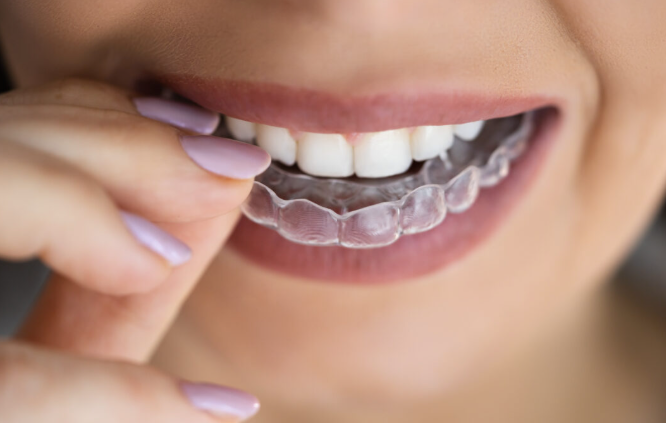
Your nightguard protects your teeth while you sleep. It absorbs pressure, keeps teeth from grinding, and can prevent jaw pain. Over time, though, it can stop doing its job. That change can be slow. You might not notice the damage until you wake up sore or see new wear on your teeth. A worn nightguard can even trap germs. That can lead to bad breath or gum problems. Regular checks at your Westwood dentist help. Yet you also need to know what to watch for at home. Cracks, rough edges, and a poor fit are warning signs. So are morning headaches or tight jaw muscles. When you know the signs, you can act early. Then you avoid new damage and more costly treatment. This guide walks you through four clear signs that your nightguard is no longer safe or effective and needs replacement.
1. Visible Damage on the Nightguard
First, look closely at the surface of your nightguard under a bright light. Any damage means it is weaker and less protective.
Watch for changes such as:


- Cracks or splits you can see
- Chunks missing from the edges
- Deep bite marks that look caved in
- Thin spots where light shines through
Each of these signs means the nightguard no longer spreads the pressure of grinding. Instead, your teeth press through it. That can chip teeth or strain your jaw joints.
Next, run a clean finger along every edge. If you feel sharp spots or rough ridges, the plastic has broken down. Those edges can cut your tongue or cheeks while you sleep.
Once you see cracks or deep wear, stop using the nightguard and call your dentist. Small damage grows fast under nightly pressure.
2. Changes in Fit or Comfort
Your nightguard should feel steady and secure. It should sit on your teeth without effort and come out with a gentle pull. Any change in fit is a strong warning.
Pay attention if:
- The nightguard feels loose or wobbly
- You need to bite down hard to keep it in place
- It feels too tight in one spot
- You wake up with sore gums where the edges press
Over time, your teeth can shift. Your bite can change. Heat from cleaning or hot water can also warp the plastic. Then the guard no longer matches your teeth.
A poor fit has real effects. It can move your teeth. It can strain your jaw and neck. It can also let your teeth slip out and grind against each other again.
If the fit changes, bring the guard to your dentist. Sometimes a small trim can help. Often, though, a new custom guard is safer.
3. Ongoing Pain or New Symptoms
You wear a nightguard to reduce pain, not to cause more. If you still wake up with symptoms, your guard may no longer work for you.
Watch for:
- Morning headaches
- Jaw or ear pain when you wake
- Stiff or tight jaw muscles
- New wear spots or chips on your teeth
These signs show that grinding or clenching is still strong. Your nightguard may be too thin now. It may not cover all the teeth that touch when you clench.
Sometimes stress at home or work raises clenching. Then your old guard design may not be enough. You might need a thicker guard or a different shape.
The National Institutes of Health explains that long-term clenching can damage teeth and jaw joints.
If your symptoms stay the same or get worse, do not ignore them. Bring your nightguard and your questions to your dentist.
4. Stains, Odor, or Hygiene Problems
Even with daily cleaning, a nightguard does not last forever. Over time, tiny scratches form on the surface. Germs and food particles can hide in those scratches.
You should be concerned if you notice:
- Strong odor that does not wash off
- Yellow or brown stains that stay after brushing
- Cloudy or chalky spots on the plastic
- Red or sore gums after wearing the guard
These changes mean the material is breaking down. It also means more germs live on the surface. That can raise your risk for gum problems or mouth infections.
The Centers for Disease Control and Prevention notes that mouth germs and poor care can lead to gum disease and tooth loss.
If your nightguard looks or smells unclean after normal care, it is time to replace it.
How Long Do Nightguards Usually Last
Every month is different. Yet some patterns can guide you. The table below shows general life spans for common nightguard types.
| Type of nightguard | Typical use pattern | Average life span | Common reason for replacement |
|---|---|---|---|
| Soft store bought guard | Mild grinding a few nights a week | 6 to 12 months | Deep bite marks and warping |
| Custom soft guard | Mild to moderate grinding most nights | 1 to 2 years | Loss of fit and surface wear |
| Custom hard acrylic guard | Moderate to strong grinding every night | 2 to 5 years | Cracks, chips, or bite changes |
| Dual layer guard | Strong grinding with jaw pain | 2 to 3 years | Worn inner layer or odor |
These time frames are estimates. Heavy grinding, nail biting, or chewing on the guard can shorten its life. Careful cleaning in cool water and a dry case can help it last longer.
See also: Glossy Laminate Sheets The Secret to Elevating Your Home Décor
When to Call Your Dentist
You do not need to wait for a crack to ask for help. Reach out if you notice:
- Any of the four signs above
- Changes in your bite or how your teeth meet
- Clicking or popping in your jaw
Your dentist can check the guard, your teeth, and your jaw. You may need a new nightguard, a small change to your current one, or a different plan for your grinding. Quick action protects your teeth and keeps your sleep calmer and steadier.