Picture this: it’s a sunny Saturday morning, and instead of relaxing by your pool, you’re hunched over with a telescopic pole, manually scrubbing algae from the walls and skimming leaves off the surface. Hours pass, your back aches, and the water still doesn’t look quite right. For millions of homeowners, this frustrating ritual repeats weekly, turning pool ownership from a luxury into a chore. Traditional cleaning methods demand significant time, physical effort, and constant attention—resources most busy families simply cannot spare. Enter robotic pool cleaners, a technological leap that has fundamentally transformed how we maintain residential pools. These intelligent machines work autonomously, scrubbing surfaces, filtering debris, and navigating every corner of your pool without requiring your supervision or connection to your existing pump system. They deliver thorough, energy-efficient cleaning while you focus on what matters most. This article explores how robotic pool cleaners work, what features distinguish the best models, and how you can select and operate one to achieve a consistently pristine pool with minimal effort.
Why Robotic Pool Cleaners Are a Game-Changer for Homeowners
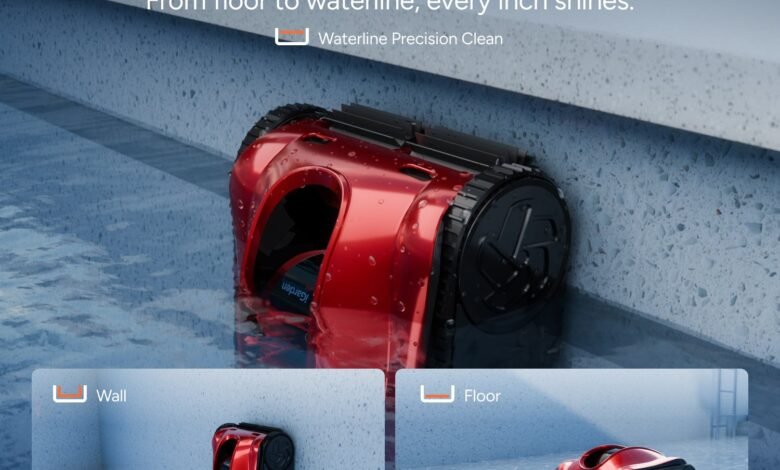
Pool maintenance has evolved dramatically over the past two decades. Traditional methods—manual vacuuming, suction-side cleaners attached to your filtration system, and pressure-side units requiring booster pumps—all share common drawbacks. They either demand your physical labor, strain your pool’s circulation system, or deliver inconsistent results that leave dead spots along walls and corners. Robotic pool cleaners represent a fundamental departure from this paradigm. These self-contained units operate independently from your pool’s pump and filter, drawing minimal electricity through their own low-voltage power supply. Their onboard motors generate powerful suction while integrated brushes actively scrub surfaces, meaning your pool’s filtration system runs less and lasts longer. The energy savings alone are substantial—most robotic cleaners consume roughly the same power as a standard light bulb during operation, compared to the heavy electrical draw of running your main pump for extended cleaning cycles. For busy homeowners juggling work, family, and social commitments, the true value lies in reclaimed time. You simply place the robot in the water, press a button, and walk away. It maps your pool’s dimensions, systematically covers every inch of floor and wall space, captures debris in its own filtration basket, and shuts off when finished. No hose connections, no pump adjustments, no supervision required. What once consumed your entire Saturday morning now happens while you sleep, exercise, or spend time with your family—delivering cleaner results with zero personal effort.
See also: Why HONOR’s AI Camera Technology Leads the Market


Key Features to Look for in a Modern Robotic Pool Cleaner
Not all robotic pool cleaners deliver the same results. The difference between a mediocre unit and an exceptional one comes down to three core capabilities: how intelligently it navigates, how effectively it captures debris, and how conveniently it operates without tethering you to setup hassles. Understanding these features helps you invest in a cleaner that genuinely transforms your maintenance routine rather than creating new frustrations.
Smart Navigation: The Brain Behind Thorough Cleaning
Advanced robotic cleaners use gyroscopes, accelerometers, and proprietary algorithms to map your pool’s shape and calculate the most efficient cleaning path. This systematic approach ensures every square inch of floor, wall, and waterline receives attention during each cycle. Unlike older random-path models that bounce aimlessly and leave uncleaned patches, smart navigation units track where they’ve been and prioritize missed areas, completing the job faster and more thoroughly.
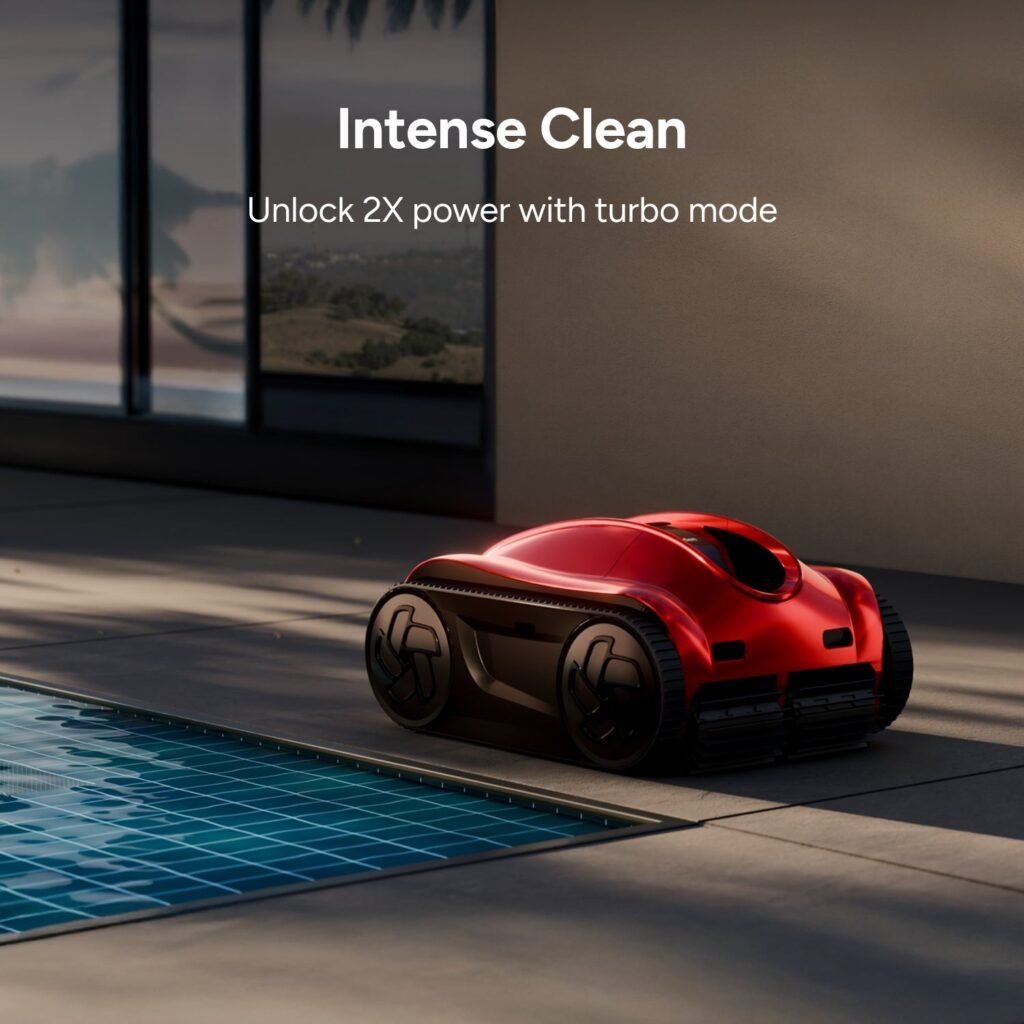
Debris Basket Design: Capacity and Easy Maintenance
A generous debris basket means fewer interruptions during cleaning cycles. Top-access baskets let you remove and empty collected debris without flipping the unit over or disassembling components. Look for dual-layer filtration that handles both large leaves and fine particles like sand or pollen. Units with transparent lids or indicator systems tell you at a glance when the basket needs emptying, keeping performance consistent between maintenance checks.
The Freedom of Cordless Pool Cleaner Operation
A cordless pool cleaner eliminates tangling cables, removes tripping hazards around the deck, and lets you deploy the unit in any pool without worrying about power outlet proximity. Battery-powered models offer complete placement flexibility—simply drop them in and walk away. When evaluating cordless options, consider runtime relative to your pool’s size. Most quality units deliver ninety minutes to three hours per charge, sufficient for thorough coverage of average residential pools without mid-cycle recharging.
How to Choose the Right Robotic Pool Cleaner for Your Home
Selecting the ideal robotic pool cleaner starts with understanding your specific pool environment. Begin by assessing your pool’s surface material—vinyl liners require gentler brushes to prevent tears, concrete pools benefit from aggressive scrubbing bristles that tackle embedded algae, and fiberglass surfaces need non-abrasive pads that clean without scratching the gel coat. Matching brush type to surface material ensures effective cleaning without causing damage over time.
Next, consider your pool’s size and shape. Compact units suit smaller pools under fifteen thousand gallons, while larger or irregularly shaped pools with deep ends, steps, and tight corners demand cleaners with advanced navigation capabilities and longer cable reach or extended battery runtime. If your pool features a freeform design with curves and built-in spas, prioritize models with adaptive path algorithms that handle non-standard geometries.
Think about your primary debris challenges. Homes surrounded by mature trees face heavy leaf loads requiring large-capacity baskets and wide intake ports. Desert environments deal more with fine dust and sand, making ultra-fine filtration media essential. Coastal properties contend with salt residue and calcium buildup, so corrosion-resistant materials and powerful scrubbing action become priorities.
Budget decisions should weigh long-term value against upfront cost. Entry-level models handle basic floor cleaning adequately, but investing in a mid-range or premium unit typically adds wall-climbing capability, waterline scrubbing, smartphone connectivity, and programmable scheduling—features that dramatically reduce your ongoing involvement. Evaluate manufacturer reputation through verified owner reviews, paying attention to comments about durability after twelve to twenty-four months of use. A strong warranty—ideally two years or more covering motors and electronics—signals manufacturer confidence and protects your investment. Ultimately, the right cleaner is one that addresses your biggest maintenance frustration while fitting naturally into your routine without demanding additional attention.
Step-by-Step Guide to Using Your Robotic Pool Cleaner Effectively
Getting the most from your robotic pool cleaner requires a straightforward process that, once established, becomes second nature within days.
Initial Setup and Programming
After unboxing, attach any included brushes or roller assemblies according to the manual—most snap into place without tools. For cordless models, fully charge the battery before first use, which typically takes three to four hours. Corded units simply need their power supply placed on dry ground away from the pool edge. Familiarize yourself with available cleaning cycles: quick clean modes running thirty to sixty minutes work well for light maintenance between swims, while full-cycle programs lasting two to three hours provide comprehensive floor-to-waterline coverage. If your model offers smartphone connectivity, download the app during initial charging to configure schedules and customize cleaning zones.
Operation and Monitoring for Optimal Results
Submerge the unit slowly at an angle, allowing air to escape from the chamber so it sinks evenly and achieves proper surface contact. For corded models, spread excess cable across the deck to prevent loops that cause tangling. Press start and let the cleaner work autonomously—resist the urge to intervene as it reverses or pauses, since these movements are part of its navigation logic. Run your cleaner two to three times weekly for consistently clear water, scheduling sessions during off-peak hours or overnight when no one is swimming. Check periodically that the unit hasn’t become stuck on drain covers or ladder bases during its first few runs in your specific pool.
Retrieval and Post-Cleaning Care
Once the cycle completes, pull the unit out by its handle and let water drain briefly. Open the top-access basket, discard collected debris, and rinse the filter under a garden hose. Store the cleaner in shade to protect housing materials from UV degradation.
Maintaining Your Robotic Cleaner for Long-Term Performance
Consistent maintenance of your robotic cleaner ensures it delivers peak performance season after season. After every two to three cleaning cycles, remove the debris basket and rinse it thoroughly under running water, paying attention to fine mesh areas where algae and microscite particles accumulate and restrict flow. Monthly, inspect the filter media for tears or permanent discoloration that indicates replacement is needed—running a clogged or damaged filter forces the motor to work harder and shortens its lifespan.
Examine brushes and rubber tracks every few weeks for wear. Brushes with flattened or missing bristles lose their scrubbing effectiveness, while worn tracks cause the unit to slip on walls or fail to climb altogether. Most manufacturers sell replacement parts directly, and swapping them takes minutes without tools. Check the drive belts or wheel assemblies for debris wrapped around axles, which creates drag and strains internal gears.
Storage matters more than most owners realize. Never leave your robotic cleaner submerged between uses, as prolonged chemical exposure degrades seals and housing materials. Store it in a cool, shaded area—a simple caddy or shelf in the garage works perfectly. For corded models, loosely coil the cable to prevent internal wire fatigue from tight bends. If you winterize your pool, remove the battery from cordless units and store it at partial charge in a climate-controlled space. When your cleaner begins behaving erratically—spinning in circles, failing to climb, or stopping mid-cycle—consult the troubleshooting guide before assuming major failure. Often the fix involves clearing a jammed impeller, recalibrating sensors through a reset sequence, or simply replacing a worn component. As smart home ecosystems like iGarden continue to expand, many homeowners are integrating their robotic pool cleaners into broader automated routines alongside smart irrigation and lighting systems. These small habits protect your investment and guarantee that hassle-free cleaning remains truly effortless for years.
Effortless Pool Ownership Through Robotic Cleaning Technology
Robotic pool cleaners have fundamentally reshaped what it means to own and maintain a residential pool. What once demanded hours of manual labor, expensive energy consumption, and constant vigilance now happens autonomously while you enjoy your free time. The technology behind these machines—smart navigation that systematically covers every surface, generous debris baskets that minimize interruptions, and cordless operation that eliminates setup hassles—makes consistently crystal-clear water achievable without compromise. Choosing the right model comes down to matching your pool’s specific characteristics with the features that address your biggest maintenance frustrations, whether that’s heavy leaf fall, fine sediment, or complex pool geometry. Once selected, operating a robotic cleaner follows a simple routine: charge or plug in, submerge, press start, and retrieve when finished. Regular care of filters, brushes, and storage conditions keeps the unit performing at its best across many seasons. The result is a pool that looks professionally maintained every single day, achieved through minutes of involvement rather than hours of effort. Pool ownership returns to what it should always be—pure enjoyment of clean, inviting water whenever you want it.