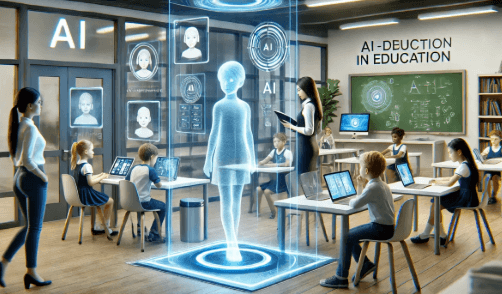
Education is rapidly changing as digital transformation reshapes how knowledge is delivered and absorbed. In 2026, smart education solutions are no longer optional—they are essential for schools that want to keep up with modern learning demands. Artificial intelligence is playing a major role in this evolution, making education more personalized, efficient, and accessible.
One of the most powerful innovations in this space is SchoolAI, a system designed to enhance teaching and learning through intelligent automation and data-driven insights. By integrating AI into education, schools can create smarter learning environments that benefit both students and teachers while improving overall academic performance.
What is SchoolAI in Modern Education?
SchoolAI refers to the use of artificial intelligence technologies in educational systems to improve how students learn and how teachers deliver lessons. It combines machine learning, data analytics, and automation to create a more adaptive and responsive education system.


Instead of relying on traditional teaching methods, SchoolAI analyzes student performance, identifies weaknesses, and offers personalized learning paths. This ensures that every student receives the right level of support at the right time.
In simple terms, SchoolAI acts as a smart digital learning assistant that helps optimize education for better results.
How Smart Education Solutions Work
Smart education solutions powered by SchoolAI use advanced algorithms to process large amounts of educational data. These systems track student behavior, attendance, test scores, and learning speed to build personalized learning models.
For example, if a student struggles with mathematics, the system will automatically recommend additional exercises, video lessons, or interactive quizzes. If a student performs well, it will provide more advanced challenges to maintain engagement.
Organizations like Google have developed AI-driven learning tools that support adaptive education systems. Similarly, Microsoft provides intelligent education platforms that help schools implement digital learning environments effectively.
These innovations are helping transform traditional classrooms into smart learning ecosystems.
Benefits of Smart Education with SchoolAI
Smart education solutions offer several important benefits that improve the overall learning experience.
One of the biggest benefits is personalization. Every student learns differently, and SchoolAI ensures that each learner receives customized content based on their abilities and progress.
Another major benefit is efficiency. Teachers can automate repetitive tasks such as grading assignments, tracking attendance, and generating performance reports. This allows them to focus more on teaching and student engagement.
Smart education also improves accessibility. Students in remote or underserved areas can access high-quality educational content through AI-powered platforms, reducing educational inequality.
Additionally, it enhances engagement by using interactive tools such as quizzes, simulations, and gamified learning experiences that make education more enjoyable.
Role of ai for students in Modern Learning
Modern education systems increasingly rely on ai for students to improve learning outcomes. These AI-driven tools help students study more effectively by providing real-time feedback, personalized study plans, and intelligent tutoring systems.
With ai for students, learners can practice difficult subjects at their own pace, revisit lessons they do not understand, and receive instant explanations for complex topics. This ensures better comprehension and long-term retention of knowledge.
AI also helps students prepare for exams more efficiently by analyzing weak areas and suggesting focused revision strategies.
Key Features of SchoolAI Systems
1. Adaptive Learning Technology
Adaptive learning is one of the core features of SchoolAI. It adjusts the difficulty level of lessons based on student performance, ensuring that learners are neither overwhelmed nor under-challenged.
2. Intelligent Tutoring Systems
These systems provide one-on-one learning support to students. They guide learners through complex topics and offer step-by-step explanations, similar to a personal tutor.
3. Automated Assessment Tools
SchoolAI can evaluate assignments, quizzes, and exams automatically. This saves time for teachers and ensures consistent grading standards.
4. Learning Analytics
AI-powered analytics track student progress and provide insights into learning patterns. Teachers can use this data to improve teaching strategies and support struggling students.
5. Virtual Learning Assistants
Virtual assistants help students and teachers manage daily academic tasks such as reminders, scheduling, and answering questions instantly.
See also: Scheduling Made Easy: Coordinating Dental Visits For The Entire Family
How SchoolAI Improves Teacher Efficiency
Teachers play a vital role in education, and SchoolAI is designed to support them rather than replace them. By automating time-consuming tasks, AI allows teachers to focus on interactive teaching and mentorship.
For example, grading large volumes of assignments manually can be time-consuming. SchoolAI automates this process and provides detailed feedback instantly. It also helps teachers identify students who need extra attention.
This creates a more balanced and effective teaching environment where educators can focus on improving student understanding and engagement.
Challenges in Implementing Smart Education Solutions
Despite its advantages, implementing SchoolAI comes with certain challenges.
One major challenge is data privacy. Since AI systems collect large amounts of student information, it is important to ensure that this data is securely stored and protected.
Another challenge is the digital divide. Not all students have access to devices or stable internet connections, which can limit the effectiveness of AI-based learning systems.
Teacher training is also essential. Educators need proper guidance to effectively use AI tools in classrooms.
Finally, there is the risk of over-dependence on technology. Human interaction remains an important part of education and should not be replaced entirely.
The Future of Smart Education with SchoolAI
The future of education will be deeply connected with artificial intelligence. SchoolAI systems will continue to evolve and become more intelligent, personalized, and immersive.
We can expect to see AI-powered virtual classrooms, real-time translation tools, and fully automated learning environments that adapt instantly to student needs.
Companies like Google and Microsoft are continuously investing in AI education technologies that will shape the future of global learning systems.
In the coming years, SchoolAI will become a standard part of education systems worldwide, making learning more inclusive, efficient, and accessible.
Conclusion: A Smarter Future for Education
Smart education solutions with SchoolAI are transforming how students learn and how teachers teach. By combining artificial intelligence with modern teaching methods, education becomes more personalized, efficient, and engaging.
The integration of ai for students ensures that learners receive tailored support, helping them achieve better academic results and build stronger understanding of concepts.
As technology continues to evolve, SchoolAI will play an even greater role in shaping the future of education, creating smarter classrooms and more successful learning experiences for students around the world.