Modern dental visits do not need to feel cold or frightening. New tools change how you sit in the chair, how long you wait, and how much you feel. You still need cleanings, fillings, and exams. Yet the way you get them can feel calmer and more in your control. Today’s technology shrinks needles, softens sounds, and shortens healing. It gives your dentist clearer images and steadier hands. That means less guessing and fewer surprises for you. It also means you spend less time in pain and more time healing. When you choose a dentist in North Smithfield, you can ask simple questions about these tools. You deserve clear answers. This blog explains six specific technologies that reduce stress, protect your body, and help you leave the office with relief instead of dread.
1. Digital X‑Rays That Use Less Radiation
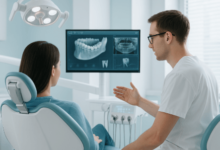
Traditional film X‑rays use more radiation and take longer. Digital X‑rays use sensors and a computer screen. You see clear pictures in seconds. Your dentist sees tiny spots of decay and bone loss early, before they cause severe pain.
The National Cancer Institute notes that dental X‑ray doses are low. Digital systems lower that dose even more. That brings peace of mind for you and your children.
With digital X‑rays, you get three main gains.
- Less radiation to your body
- Shorter time in the chair
- Clearer images for better decisions
You can also see the images on the screen. That helps you understand what needs care and why.
Typical Differences Between Film and Digital Dental X‑Rays
| Feature | Film X‑rays | Digital X‑rays |
|---|---|---|
| Radiation dose | Higher | Lower |
| Image time | Several minutes | Few seconds |
| Image quality | Harder to adjust | Easy to zoom and sharpen |
| Chemical use | Needs film chemicals | No film chemicals |
2. Intraoral Cameras That Put You in Control
An intraoral camera is a small pen-shaped tool with a tiny camera at the tip. Your dentist moves it around your mouth. You see real-time pictures on a screen. You see cracks, worn spots, and red gums without guessing.
This tool helps you in three clear ways.
- You understand problems you cannot feel yet
- You see why a filling, crown, or cleaning is needed
- You can track changes over time
That removes doubt. It also helps children who feel scared. They see their teeth as something they can care for, not a mystery that others control.
3. Numbing Options That Reduce Pain and Fear
Many people fear the needle more than the work itself. New numbing tools change that. Thinner needles, slower computer-guided delivery, and strong numbing gels soften the sting. You feel pressure, yet less sharp pain.
Three common comfort steps include.
- Topical gel on the gum before the shot
- Very slow numbing fluid flow that your body accepts with less shock
- Careful testing so the tooth is fully numb before work starts
The National Institute of Dental and Craniofacial Research explains that local anesthesia is safe for most people when used as directed. You can ask what type is used, how long it lasts, and what you should feel as it wears off. Clear answers lower fear.
4. Quiet Drills and Gentle Laser Tools
The high whine of an old drill can trigger dread. New electric drills are quieter and smoother. They remove less healthy teeth. They also shorten treatment time. You hear a less piercing sound, which helps children and adults stay calm.
Some offices also use dental lasers for certain tasks. A laser can remove decay, reshape gums, or help treat mouth sores. You may feel less vibration and less bleeding. You may also need fewer stitches and have a shorter healing time.
These tools work well for many jobs, yet not for every tooth. Ask if a quiet drill or laser is an option for your treatment. Then ask how it changes what you will feel during and after care.
See also: Why Consistent Checkups Are Essential For Family Oral Health
5. Same Day Crowns and Digital Impressions
Old crown work often needed sticky impression trays and two or more visits. New digital scanners use a small wand that moves over your teeth. The computer builds a 3D model without messy putty. You breathe easier and swallow with less stress.
With in-office milling, some crowns can be made the same day. That means.
- No need for a weak temporary crown
- Fewer shots and fewer visits
- Less time off work or school
The digital scan also helps fit. A well-fitted crown reduces bite pain and food traps. You chew and clean more easily. Your risk of new decay around the crown drops.
6. Comfort Focused Chairs and Entertainment
Technology is not only about tools in your mouth. It is also about the room around you. Many offices use chairs that support your neck and lower back. Some offer warm blankets and neck pillows on request.
Simple entertainment can also calm your mind.
- Ceiling TVs or music to shift your focus
- Noise canceling headphones to soften sounds
- Simple hand signals so you can pause treatment fast
These choices do not change the clinical work. They change how your body and mind handle it. You feel more like a partner and less like a passive patient.
How to Ask for These Technologies
You have a right to clear talk and simple terms. Before treatment, ask three short questions.
- What technology will you use and why
- How will it change what I feel today
- How will it help my long term health
Write your questions on a small card and bring it with you. Share them with the team at the start of the visit. That small step can turn a fearful habit into a steady part of your health routine.
Modern tools cannot erase every worry. Yet they can cut pain, shorten healing, and reduce stress. When you know what to ask for, you protect your body and your peace of mind during every visit.