Dental implants should feel like a steady part of your life, not a source of worry. Still, they need steady care. Without the right habits, healthy implants can start to fail. This blog shares simple steps you can use each day to protect your implants, your gums, and your bite. You will learn how to clean around implants, what to watch for in your mouth, and when to call your dentist. You will also see how food, smoking, and certain health conditions can slowly harm your implants. Many people wait until pain starts. That choice often leads to bone loss and more treatment. Care that starts now protects your time, money, and comfort. Albuquerque periodontal and implant specialists see the same preventable problems again and again. You can avoid that pattern with clear information and steady action.
Know Why Implants Need Special Care
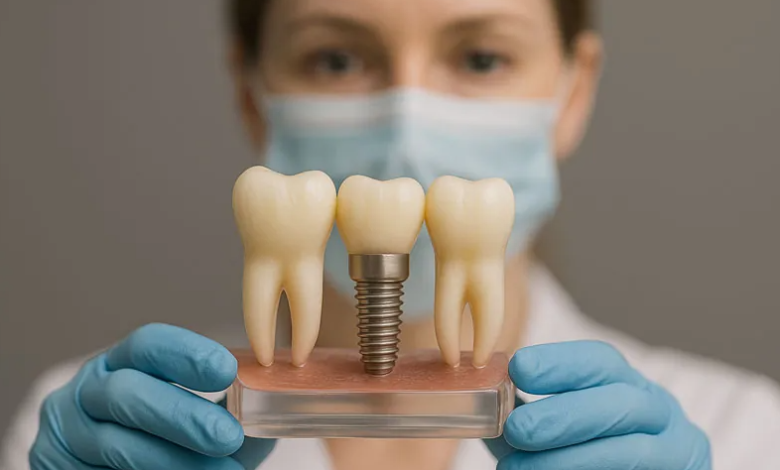
Implants do not get cavities. Your gums and bone still get infected. That infection can loosen the implant. It often grows without pain at first. You protect your implant when you protect the tissue that holds it in place. That means you must control plaque, quit smoking, and manage health problems like diabetes.
You also need regular checks. The National Institute of Dental and Craniofacial Research explains that long-term success depends on steady home care and dental visits. Your daily choices matter more than any one procedure.


Build a Simple Daily Cleaning Routine
Keep your routine short and repeatable. Aim for three steps.
- Brush for two minutes, two times per day
- Clean between teeth and implants one time per day
- Use a non alcohol rinse if your dentist suggests it
Use a soft toothbrush. Press lightly along the gumline around the implant. Small circular motions work well. Hard brushing can damage your gums and expose the metal surface. You can use a powered brush if your dentist agrees. The motion is often easier for children, older adults, and people with joint pain.
Next, clean between teeth. You can use floss made for implants, small brushes, or water flossers. Move slowly. Do not snap anything into your gums. Ask your dentist or hygienist to show you the right tool and motion for your mouth.
Choose the Right Tools
Not every product is safe for implants. Some scratch the surface. That rough surface holds more plaque. The table below compares common tools.
Common Cleaning Tools For Dental Implants
| Tool | Best Use | Use With Implants |
|---|---|---|
| Soft manual toothbrush | Daily brushing | Yes. Gentle on gums and implant parts |
| Powered toothbrush | People with limited hand skill | Yes. Use soft head and light pressure |
| Regular floss | Natural teeth | Maybe. Only if your dentist teaches the method |
| Implant or “super” floss | Under bridges and around bars | Yes. Designed for implants |
| Interdental brushes | Spaces between teeth or implants | Yes. Use plastic-coated wire and the right size |
| Water flosser | People who skip floss | Yes. Helpful add-on. Not a full replacement |
| Whitening toothpaste | Stain on natural teeth | No, if very gritty. Choose low-abrasion paste |
Always ask before you try a new tool. That one question can prevent damage that is hard to fix.
Protect Implants With Smart Food Choices
Food habits shape how long your implants last. Three simple rules help.
- Limit sugar and sweet drinks
- Avoid hard items that can crack parts
- Drink water through the day
Try to keep sweet snacks with meals instead of between meals. Each snack feeds the germs around your gums. Chew ice, hard candy, or unpopped popcorn, and you risk a broken crown or screw. That damage may not hurt at first. It still weakens the whole implant.
Water helps wash away food and lowers dry mouth. Many medicines dry your mouth. Dry tissue gets sore and infected more easily. Sip plain water often.
Quit Smoking and Manage Health Conditions
Smoking is one of the strongest causes of implant failure. It cuts blood flow to your gums. It slows healing and weakens your immune system. If you smoke, ask your health provider for help with quitting. The process is hard. The reward is strong. You protect not only your implants but also your heart and lungs.
Diabetes, heart disease, and some immune conditions also raise risk. The Centers for Disease Control and Prevention links gum disease to these health problems. Keep your blood sugar under control. Take your medicines as ordered. Tell your dentist about any changes in your health or drugs.
Know When to Call Your Dentist
Do not wait for severe pain. Call if you notice any of these signs.
- Red, puffy, or bleeding gums around the implant
- Bad taste or smell that does not go away
- Movement or a loose feeling when you touch the implant or crown
- Pressure or soreness when you chew on that side
- Gum pulling away so you see metal
Early care can stop a small infection before you lose bone. You may only need a cleaning and better home habits. Late care often means surgery, lost parts, or a failed implant.
Plan Regular Checkups and Cleanings
Set a firm schedule. Most people with implants need a visit every three to six months. Your dentist will
- Check gum health and pocket depth
- Take X-rays as needed to watch bone levels
- Clean with tools that do not scratch implants
- Tighten screws or adjust your bite
Keep a written list of questions. Bring it to each visit. Ask for clear answers. Ask for a short written plan you can place at home. Simple steps on a paper guide the whole family.
Support Children, Older Adults, and Caregivers
Many families share care. An older parent or a child with an implant may not clean well alone. Caregivers can
- Watch brushing and help reach back teeth
- Set phone alarms for daily cleaning
- Plan soft but healthy meals after any repair
Use calm words. Blame or fear does not help. Steady support does. You protect both health and trust.
See also: Why Consistent Checkups Are Essential For Family Oral Health
Turn Good Habits Into Routine
Implants last longest when care feels automatic. Link cleaning to set times like waking up, after dinner, and before bed. Store your tools where you can see them. Replace worn brushes every three months. Treat each implant like a natural tooth you want to keep for life. Each small step you repeat protects your mouth, your speech, and your comfort for many years.